For some time now a lot of discourse in Ireland has revolved around issues related to public safety with a particular focus on that of women and girls.
As Gript previously reported sexual assault rates increased by a shocking 75% over the ten year period from 2011 to 2021 and looking at recent news reports this trend doesn’t appear to be getting better.
Having just landed back in Ireland after spending nearly two weeks in Japan, I can’t help but notice the jarring differences between how safe that country feels to me as a woman compared to here.
In Japan I can walk around alone day or night – even in big cities – and feel totally safe. In my experience the ‘worst’ thing that might happen is some drunk guy meekly saying he thinks I look nice, but that’s about it.
Even in the party districts of Tokyo which some Japanese regard as less safe than other areas (because there are higher numbers of foreigners there) you can walk around in your glad rags, carrying your best handbag, wearing your most dazzling earrings and have no fear that you might be mugged or otherwise assaulted.
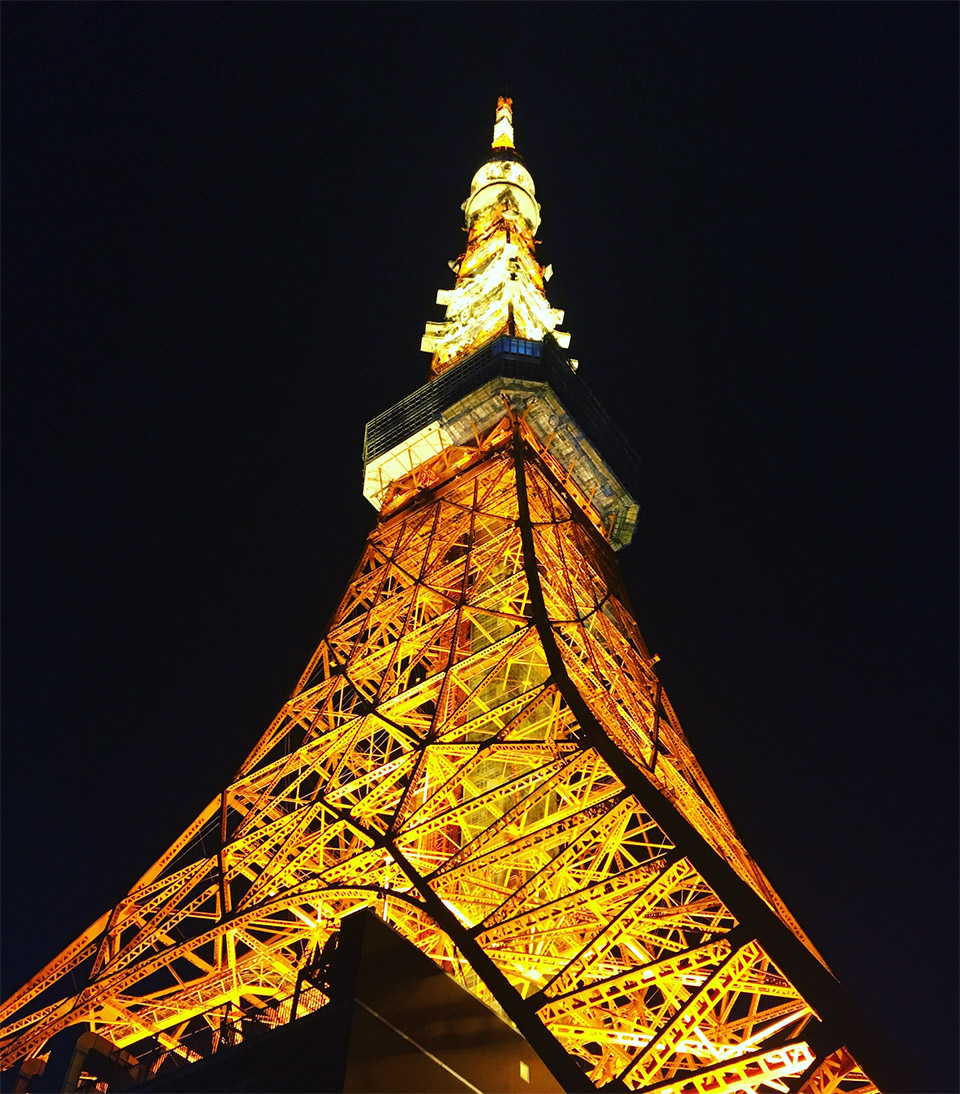
C. Fatima Gunning
It’s a fantastic feeling and one that I think the women of Ireland deserve to enjoy.
However none of this is to say that crime doesn’t happen in the land of the rising sun – of course it does.
Sexual crimes also take place and some murder cases involve details which you might find pretty shocking.
Be that as it may, the feeling of overall safety is much stronger in Japan than it is here.
So why is Dublin in particular so much more dangerous than Tokyo which is a much bigger city and home to almost 14,000,000 people?
Veteran journalist Paddy O’Gorman asked me why I thought Japan feels so safe and if it had anything to do with tighter controls around alcohol.
If anything I’d say drink is even easier to get hold of in Japan because it’s available 24/7 and costs less. Some places even have ‘all you can drink’ (Nomi houdai) deals where you hammer booze into yourself with no restrictions for a set price and time period.
Being drunk in Japan isn’t really frowned upon socially either. There even exists a concept called ‘bureku’ taken from the English word ‘break’ which means that stupid stuff you do while off your face may not be held against you later – even by your boss if you get scalded at a work event.
Now, before you book your one way ticket to ‘drink paradise’ it’s important to remember that Japan has a strict immigration policy and thorough border control checks.
Irish passport holders can visit visa free, but before you land you have to fill out a form about yourself which includes questions about criminal history.
You’ll also need to answer how long you intend to stay in Japan and the purpose of your visit along with providing your address in Japan and a phone number. On your way out you’ll do an exit check at immigration as well.
Japan is a high-trust homogenous society with around 98.5% of the population recorded as native Japanese. In my opinion this is where the high level of safety comes from as the Japanese share common values among their highly homogenous and mono-cultural population.
Japan also has what is pretty much a ‘zero tolerance’ policy regarding drugs.
When I was younger – and a lot less cautious – I lived in Tokyo and despite my relative naivety nothing bad ever happened to me. My equally careless friends and I would head out after dark to enjoy a few beverages and then go out dancing until the wee hours of the morning.
We’d parade out onto the streets and wait for the trains to start moving sometime after 5am. We’d often see other girls (and lads of course) asleep in the subway station or even on the ground outside – this was normal.
We did this over and over, and as I said, nothing bad ever happened to us or anyone we knew.
Now that I’m older I wondered if perhaps I had been wearing rose tinted shades back then and if I would notice safety ‘red flags’ that I didn’t before. Would age and experience bring a dose of reality to my fond memories of that carefree existence or would time have changed Japan for the worse?
The answer is no. To me Japan feels as safe as ever and there was not one moment in time that I felt in danger there. During the road trip portion of my travels myself and my friend – also female – left our stuff in the car at night with not a single care that it – or the car for that matter – wouldn’t be there in the morning.
Sadly, and needless to say this is not the case in Ireland even though we’re a much smaller country which you might think means we’d be easier to police.
I’m not exaggerating when I say I’m frightened to go out in Dublin at night – and I know many of my female friends and relatives feel the same way.
In Tokyo at night you probably won’t see much of a police presence and I’ve certainly never seen public order units patrolling the streets the way they do in Dublin. There are little police stations called ‘Koban’ dotted throughout the city but in all the time I spent there over the years I never saw anything ‘big’ happen.
Japan, like any country, has its own social problems and is far from a paradise. The country’s low birthrate accompanied by its high suicide rate mean that the future of the nation is a topic which haunts the public consciousness.
There are some things about Japanese society which I find deeply unsettling like the ubiquity of pornographic material – much of which depicts childlike female protagonists – or the barely hidden sex trade, but perhaps those are topics for another article.
Overall my time in Japan was wonderful, both when I lived there and as a visitor. I felt safe and carefree which is something I rarely feel at home or indeed in many of the European cities I’ve visited recently.
There seem to be some things the Japanese are getting right that we Europeans are getting wrong.
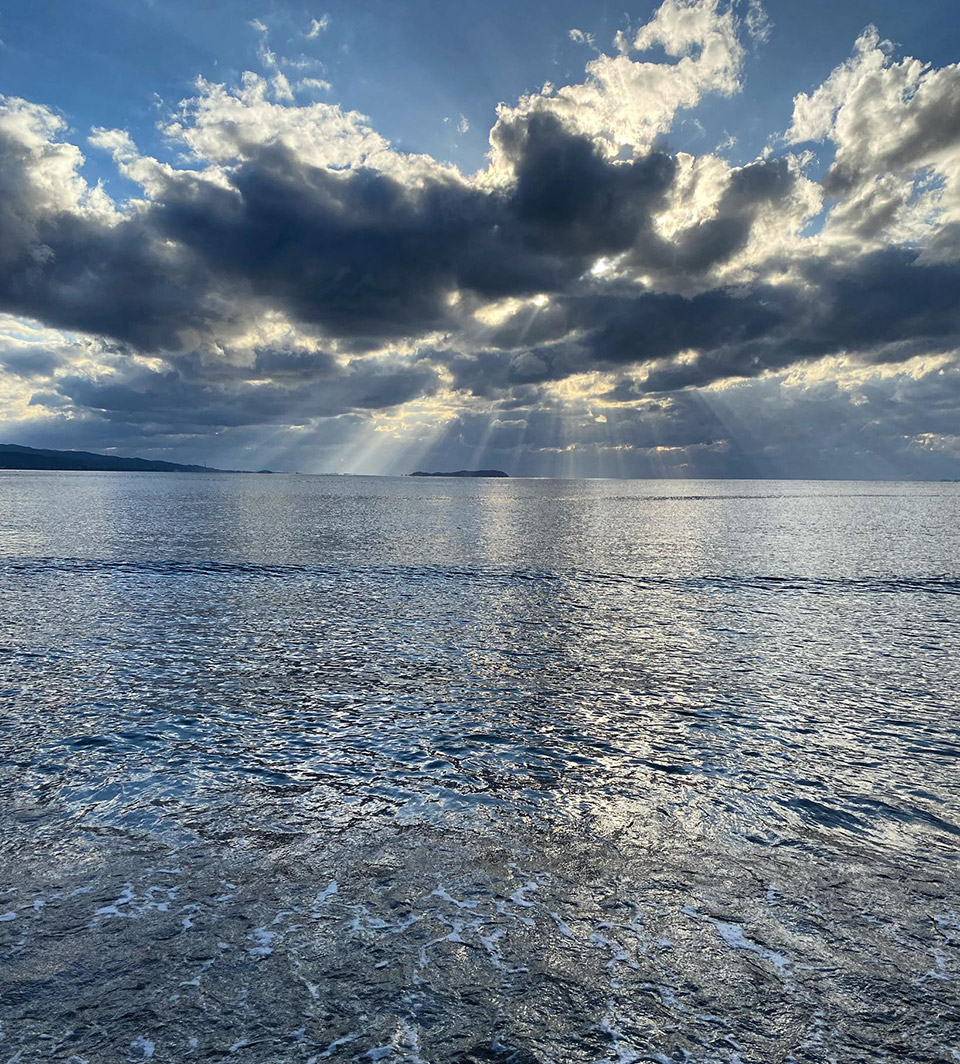
The sea off Goto Island in Nagasaki prefecture where thousands of Japanese Catholics fled to escape persecution. C. Fatima Gunning