Former Minister for Public Expenditure Michael McGrath played to the rafters in Brussels Tuesday as he safely advanced to the final stage in becoming Ireland’s next EU Commissioner with commitments to enforce the bloc’s censorship against Elon Musk’s Twitter.
Pledging to up the ante on populist governments such as Hungary and Slovakia over the next five years, McGrath was seeking the approval of MEPs to become the EU’s chief enforcer in the heavily politicised “rule of law” portfolio combating corruption from December on.
Regarded as the EU’s primary weapon for disciplining dissident states through the withholding of funding, McGrath’s selection for the role fell short of an original government desire to receive an economics portfolio, with many speculating that Fianna Fáil’s decision to vote against Commission President von der Leyen over her stance on Palestine contributed to Ireland receiving a downgraded role.
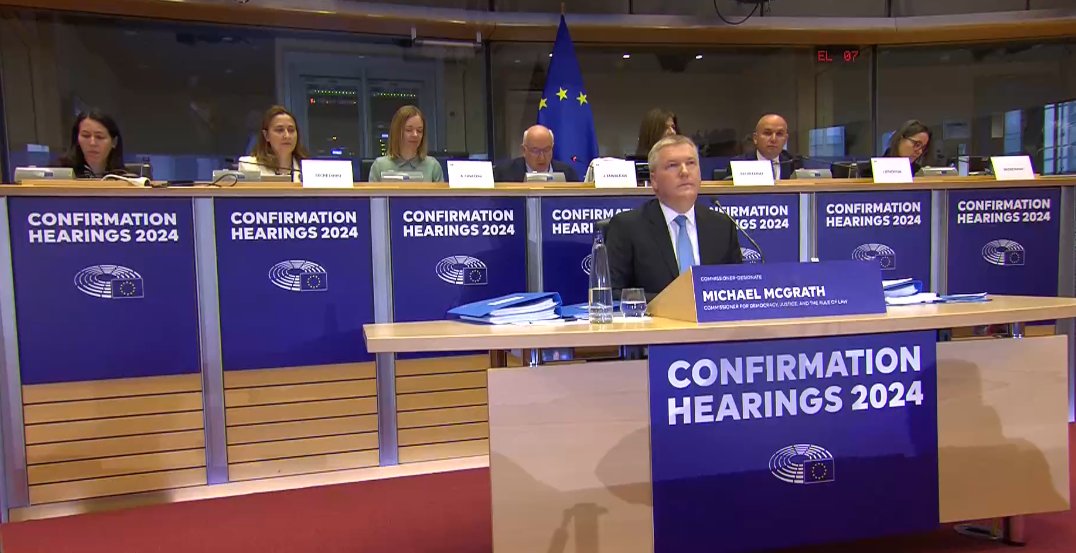
Appearing before a joint sitting of MEPs from the legal and home affairs committees, McGrath affirmed the primacy of European over Irish law throughout the three-hour grilling and even opened the door to helping enforce EU-wide legalisation of abortion.
Almost certainly expected to come to blows with the conservative Hungarian government, McGrath refused to rule out suspending the county’s voting rights at an EU level should Brussels meet with non-compliance.
Despite focusing on EU matters, the Irish government’s support of hate speech legislation was cited by one Spanish MEP Jorge Martín Frías from the populist VOX party who questioned McGrath’s commitment to freedom of expression.
Acknowledging attempts by the EU to categorise hate speech as a cross-border crime, McGrath stated he would maintain “particular regard to minorities” when carrying out his duties as he declared freedom of speech as not being an “absolute right” in response to the Spanish politician.
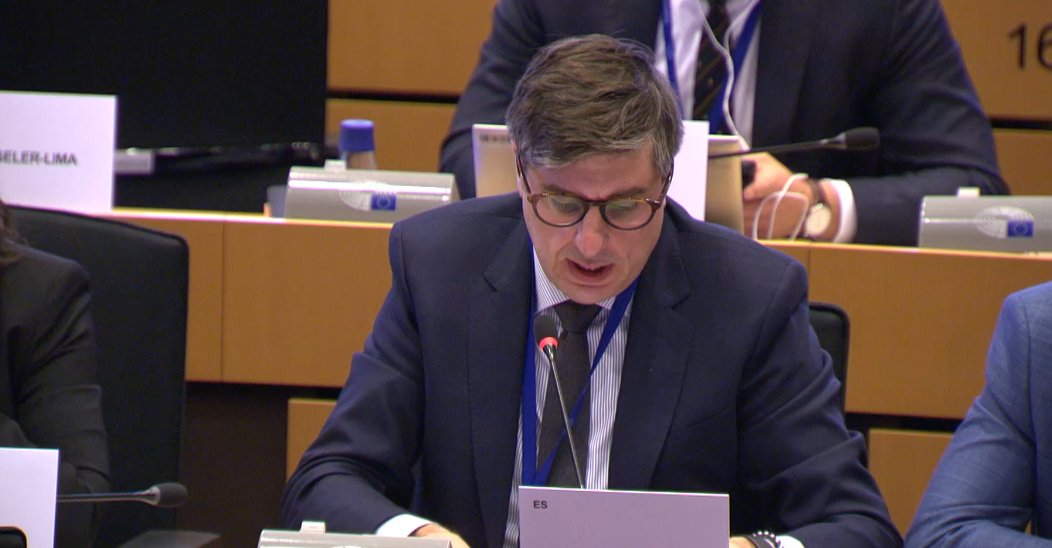
It was not the only time freedom of speech was debated in the chamber. AfD politician Mary Khan-Hohloch raised the possibility of the new Digital Services Act (DSA) being weaponised against online platforms as McGrath downplayed the risk saying that the Act dealt with fact-checking rather than content moderation.
McGrath had praised the DSA in the lead-up to Tuesday’s hearing. The implementation of the Act is expected to have major importance for Ireland due to the presence of most major American Big Tech companies in Dublin amid a brewing censorship war between Brussels and Elon Musk over the X platform.
While receiving largely softball questions from left, liberal, and centrist MEPs, McGrath was accused of backing “Soviet-style” harassment of Hungary by one MEP András László who queried why illegal migration was not treated by the EU as a rule of law issue as well.
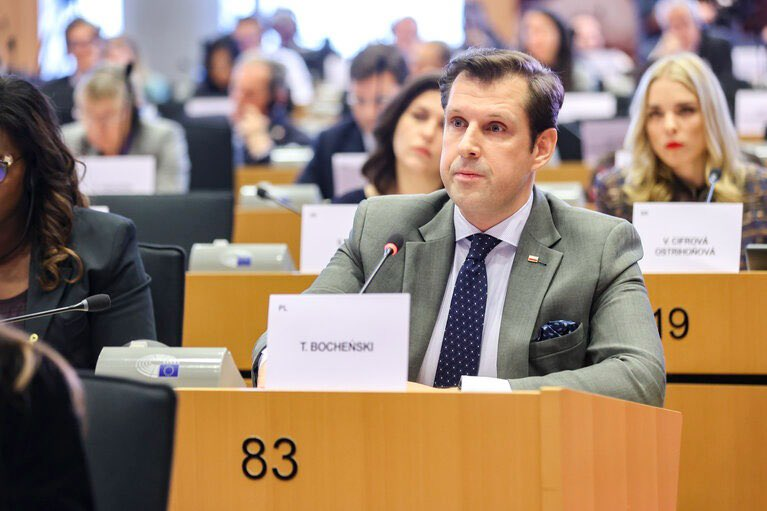
Other highlights from the hearing included McGrath dismissing claims of harassment against the AfD party which faces state-sanctioned surveillance from the German intelligence services. The Fianna Fáil politician also toned down the anti-Israel stance our politicians are accustomed to taking in Brussels.
Taking an hour to back McGrath’s nomination by a two-thirds majority, Tuesday’s screening was seen as the last major barrier to McGratth taking up the role with MEPs expected to give a final signoff later this month in Strasbourg.
Overall, while defenders of free speech may take umbrage at McGrath’s policy stances both Simon Harris and Micheál Martin will be happy that his performance wooed over the EU establishment hoping for Ireland to be safe pair of hands against rebel member states.
However, as remarked upon even within the mainstream press, the choice of McGrath for the role points to flatlining Irish influence in the EU capital relative to the heyday of the Brexit border dispute with ominous stormclouds over Europe’s relationships with America, China, and Big Tech pointing to a proactive agenda for the Cork TD turned wannabe Eurocrat.