Residents of Conamara, County Galway have expressed concern over the planned placement of off-shore wind turbines which they say will affect communities stretching from Clifden to Ballyconneely, Roundstone and the Gaeltacht districts from Carna to the Aran Islands.
The residents say that the 300 metre tall turbines will have a devastating effect on scenery as they will be visible from a huge distance from their planned placement approximately 5 kilometres from the coastline.
Noting that the area is internationally famous for its scenic and rugged beauty boasting “many of the country’s most scenic and environmentally important habitats”, the group have set up a petition in order to spread awareness of the development of the Sceirde Rocks wind farm.
A photo projection of how the affected areas appear now compared to how Corio Generation forecast they will look should the development go ahead can be viewed here.
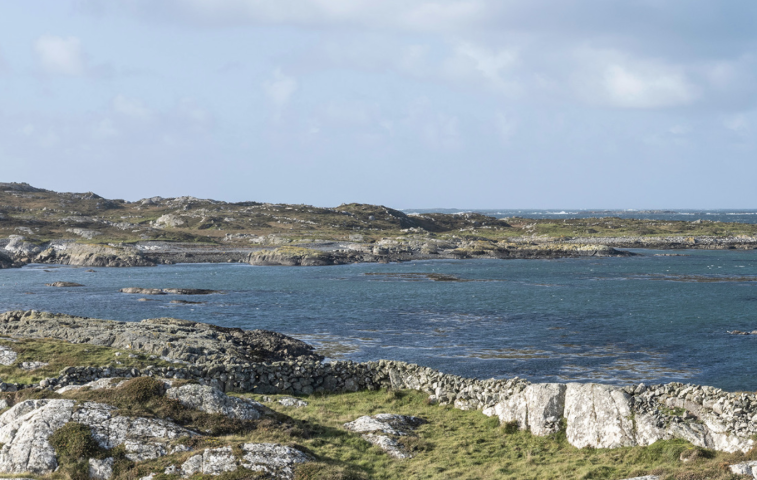
The group say that while they support renewable energy they believe that these solutions must be achieved without “recklessly damaging the marine environment or putting corporate profits before the needs of people and wildlife.”
Local woman Siobhan Kennedy, who started the petition, said that there was concern in the area not only about the visual impact of the wind farm but also on the impacts it is believed it will have on wildlife in the area.
Local man MacDara Ó Coileáin told Gript that the basking shark is “known to be very common to the exact location” of the proposed wind farm and is a protected species under Section 23 of Ireland’s Wildlife Act.
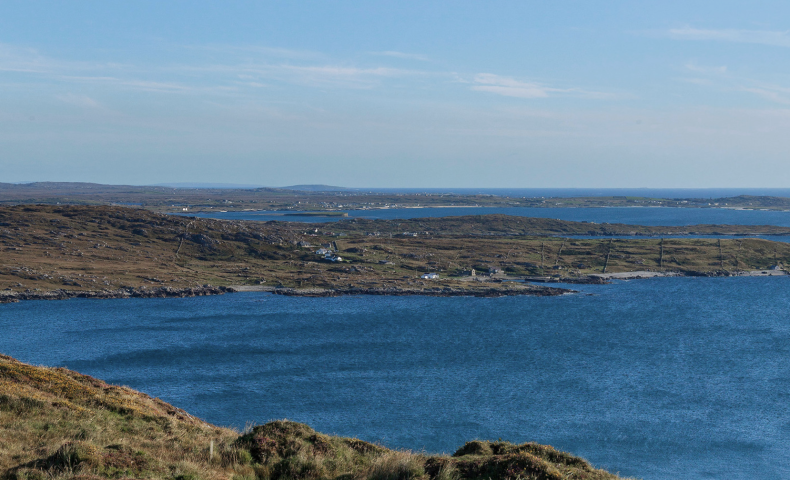
“Their habitats will be impacted,” he said, adding that nearby Kilkerrin Bay and the islands associated with it are designated as a special area of conservation for the bottlenose dolphin and the harbour porpoise.
“The noise from the wind turbines deters all the marine mammals and fish,” he said, noting that wind turbines are also known to kill birds.
Ó Coileáin added that local people had been left feeling vexed, noting how planning permission to build “a small house” had been refused to a local woman when the wind farm development had faced no such obstacles.
He said many in the area were “aggrieved” and this and were of the impression that the wind farm developers are benefitting from a “double standard” as concerns for potential environmental impact and impact of wildlife had been cited as reasons for refusal of planning permission for “a regular house” in the area.
Ó Coileáin said that local representatives had been ‘keeping quiet’ about the development and questioned what he said was an unusual silence from many local fishermen.
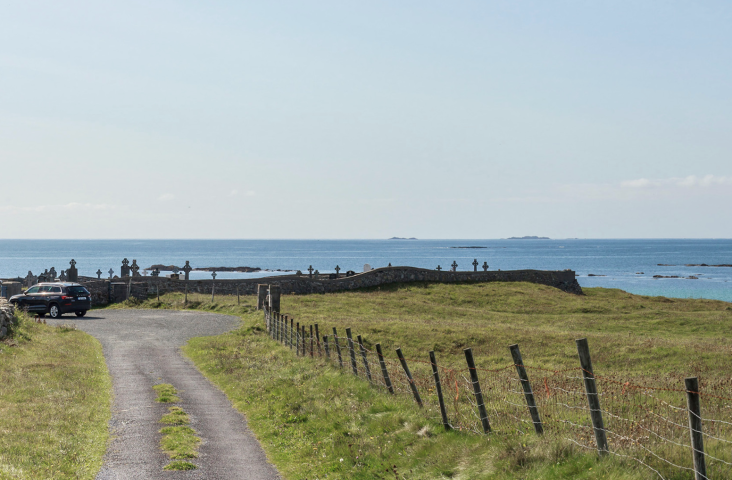
He emphasised the likely economic impact of the turbines on the area noting that the locality was heavily reliant on tourism as a famous area of natural beauty.
He said that the company behind the development, Corio Generation, had deliberately chosen to place the turbines close to the shore as this was less expensive than placing them further out to sea.
“They have the technology to build windmills further out at sea but the reason they’re building them so close to the coast line is because the water is shallower there and it’s cheaper for them to build them in a shallow area.”
He accused the developers of “disregarding the impact on the environment” and prioritising profit, “that’s why they’re so close,” he said.
In a statement issued to Gript, Corio Generation said:
“Sceirde Rocks wind farm is a milestone project for Ireland that will bring much-needed investment and employment opportunities to Connemara, and to the wider Galway region. The community benefit fund, which is a key element of the project and is expected to total €70 million over its lifetime, will have a transformative positive impact for local communities. At a national level, Sceirde Rocks wind farm has the potential to provide electricity for up to 350,000 Irish homes and make a significant contribution to meeting the Government’s renewable energy targets.
“Our plans for the wind farm involve the installation of 30 turbines at a range of 5 to 11.5 km from the mainland. By way of comparison, onshore wind farms such as those currently installed in the Connemara region would require hundreds of turbines to generate the same amount of electricity, while their turbines can be located as close as 500m to residential properties, making them appear significantly larger to the naked eye than the turbines proposed at Sceirde Rocks.
“As with any major infrastructure project, it is natural that people may have questions about the project’s impact. That is why we have been engaging extensively with our local communities, from holding meetings and public events to publishing detailed information on our website to keep everybody fully informed and able to share their views with us.
“As a part of the consenting process for the project, we are conducting extensive impact assessments to inform our planning application – once complete, this information and data will be made available for public consultation as part of the planning process. We will continue to work closely with our local communities and engage with them on their questions as the project progresses.”