Sometimes it feels like we have no country at all. I’ve felt that way so often of late, and the words keep getting heavier.
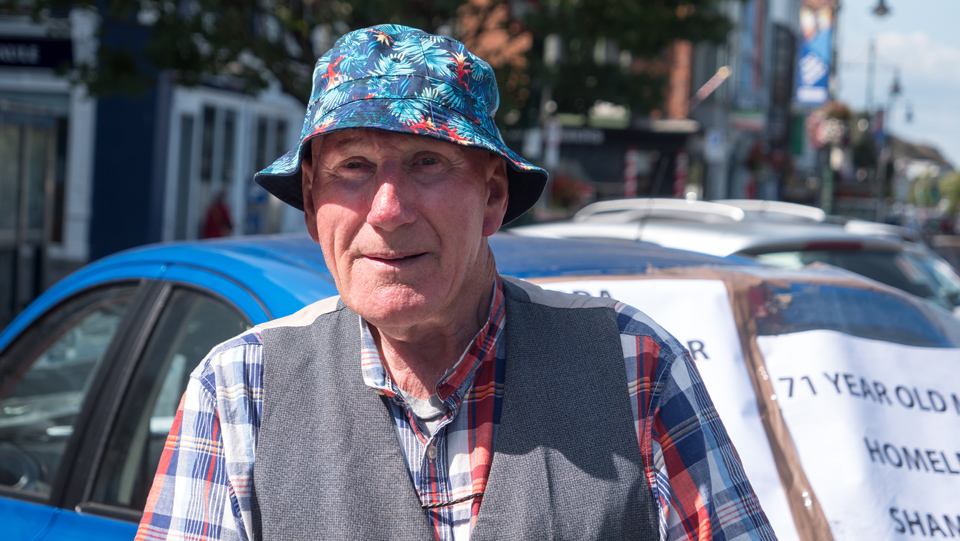
Hugh Dunne is living out of his little blue Nissan Micra as he tries to secure suitable accommodation to live out the rest of his days with some measure of “peace and quiet”.
When I first became aware of his situation I was lucky enough to have someone local in Waterford get me his phone number.
From the outset I was struck by the kindness of this man, all alone by the Quays in Waterford City, abandoned, it seems, by the well-heeled elite who run this country – those who are running it into the ground.
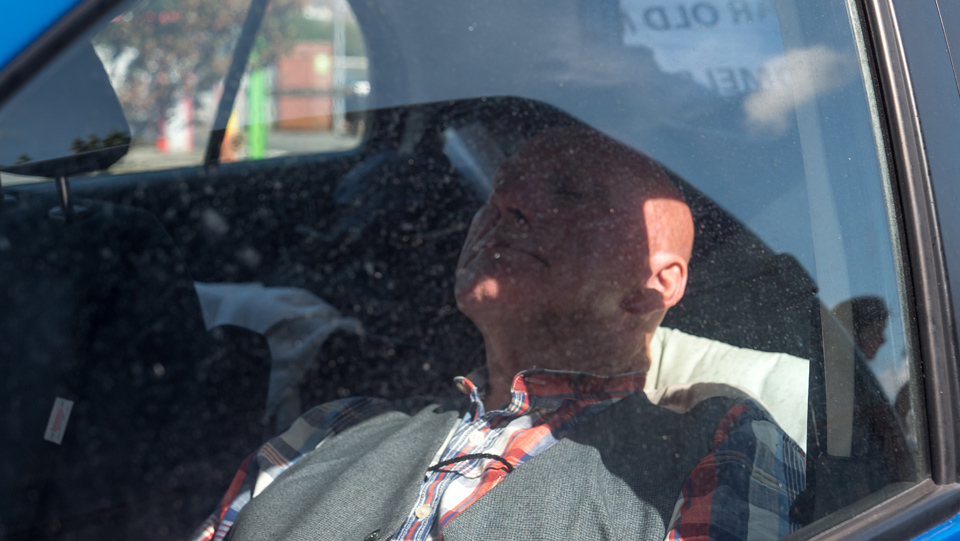
Through his suffering, which must be considerable due to his chronic pain from fibromyalgia, and COPD, he always tries to look on the brightside and see the good in others.
He told me how he divides his pension and gives what he can to those in need around him.
He spoke about the importance of kindness and care for others, and how these virtues are undervalued.
Many of us are painfully aware of the ‘housing crisis’. We hear that phrase over and over. Over and over until it hardly means anything anymore.
Homelessnes in Ireland isn’t about substance abuse or irresponsible living. I think we like to tell ourselves that so it’s not on us to help those that are several steps closer to destituation that we are.
Why is it so hard for a 71-year-old man to get a modest apartment somewhere? This is after all a first world country with all the accompanying standards and requirements, isn’t it?
He is not destitute in the way that some unfortunates are, no, it’s rather that he’s not rich enough for Ireland.
His pension and the provision of HAP are simply not enough to get him a quiet and safe place to lay his head at night.
Mr. Dunne told me he had been in institutions “all his life”. He came from a mother and baby home. I could see why he values quietness and privacy so highly: it’s not much to ask for.
He told me how at six years of age a nun had beaten him cruelly after he had an accident on his trousers. How he had kicked at her through the beating, and how that was when he realised he was a fighter.
In Ireland it doesn’t seem to matter if you work everyday, if you scrimp and save, you probably still won’t be able to afford something as basic as housing.
He told me he doesn’t sleep: how he’s too hot during the day and cold in the car at night.
He wears his sun hat to conceal a cut on his head he got after his skin was weakened by sunburn.
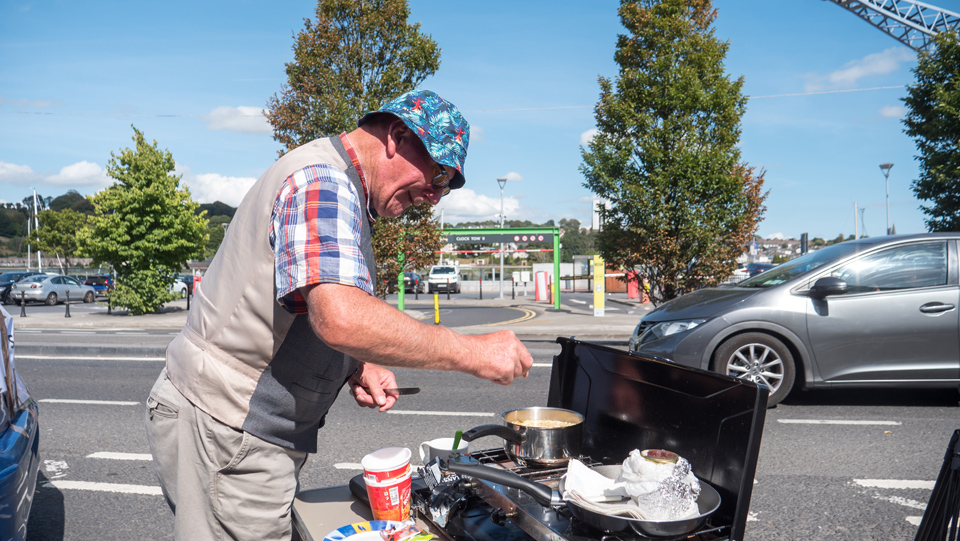
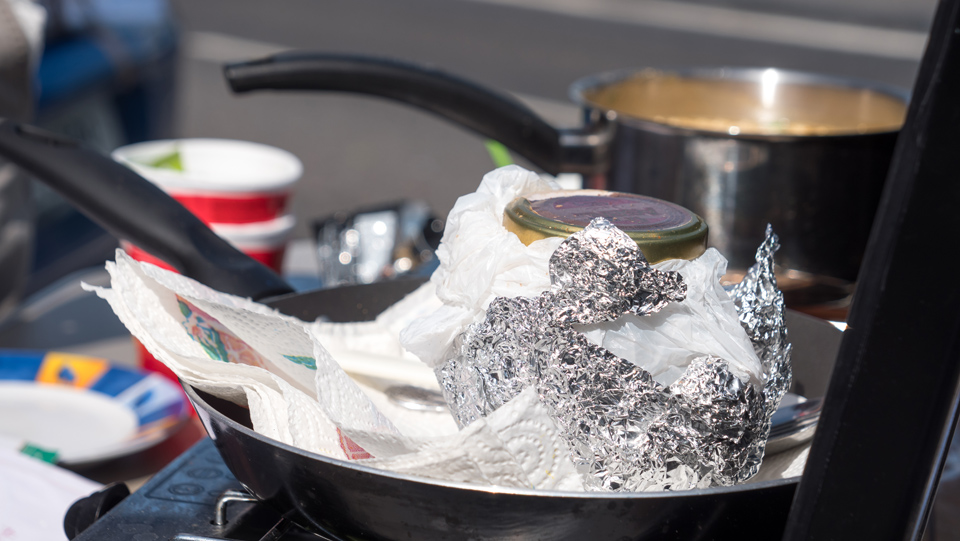
He lives off pot noodles which he cooks on the side of the road. He sang the praises of the lady who had given him the camping stove he uses. I asked him if he gets proper meals, to which he answered he couldn’t afford it.
‘It would cost about twenty euros to get a hot meal’, he said. He’s right of course. Proper food and hot meals are also something that has become less and less accessible as the cost of living spins further out of control.
The ‘cost of living crisis’, that’s another one. Something we hear over and over until it means less and less, and yet its grip is tightening around our throats everyday.
This winter when we’re all freezing and hungry we’ll be reminded that it’s Russia’s fault. RTÉ will give us daily updates about Volodymyr Zelenzky.
We’ll likely hear plenty about the homeless and displaced in Donbass or Kherson, and likely very little about Hugh Dunne and the other 10,000 homeless Irish.
Maybe there’s a silver lining. Maybe if people can’t afford to turn on the radio or the television, can’t afford to charge their phones, those of us who haven’t already done so will finally unplug from the ‘official narrative’, and see that the villain behind the curtain is our own government.