Art has become in many ways little more than just another frontier through which otherwise mediocre “social justice activists” enrich themselves at the largesse of their (usually State) benefactors. These projects are always designed with the lowest common denominator in mind and are not, “art for art’s sake”, and as such, they are always vapid.
One need look no further than the charade in Finglas over the last number of years where there were two competitors for the DCC-funded Sculpture Dublin initiative. The Kevin Barry Memorial Committee canvassed the area and 84% of residents signed a petition supporting the erection of such a statue (and rather more impressively only 0.17% refused to sign, with the remainder not at home), the committee ran a weekly raffle with buy-in from local supporters and businesses to raise the tens of thousands needed to build the statue, and designed and built the cast for the statue in a shop-front in the village made available by the owner. The competition (one Ms. Sarah Cunningham-Bell)’s idea of “consulting the local community” involved addressing an assembly of 5th and 6th year students and… seemingly, nothing else.
It is little wonder that DCC gave the stamp of approval (and €100,000) to Cunningham-Bell to erect a 7-foot sheet of metal. The KBMC were told to take a hike. The only thing that can be said in favour of the Belfast-born artist is that she, thankfully, seems to have escaped the crass and disgusting attitude of many of her contemporaries in the north-eastern city.
The “art collective” Array currently has a display in the Ulster Museum which can only be described as an assault on artistry. The winners of the Turner Prize, which is described as “prestigious” by the Ulster Museum has been described in shambolic terms with a previous judge (Oliver Basciano) describing it as an embarrassment and critics such as Alex Cameron announcing it was “an instrument of woke politicking”. Even the Guardian was forced to go so far as to lambast the entry from Belfast:
The judges have recognised warm and fluffy protest artists Array for their “hopeful and dynamic artwork”. It’s hard to see this as a purely artistic victory. By only shortlisting collectives with strong social messages, this year’s prize has put aesthetic achievement pretty low on its list of “values.”
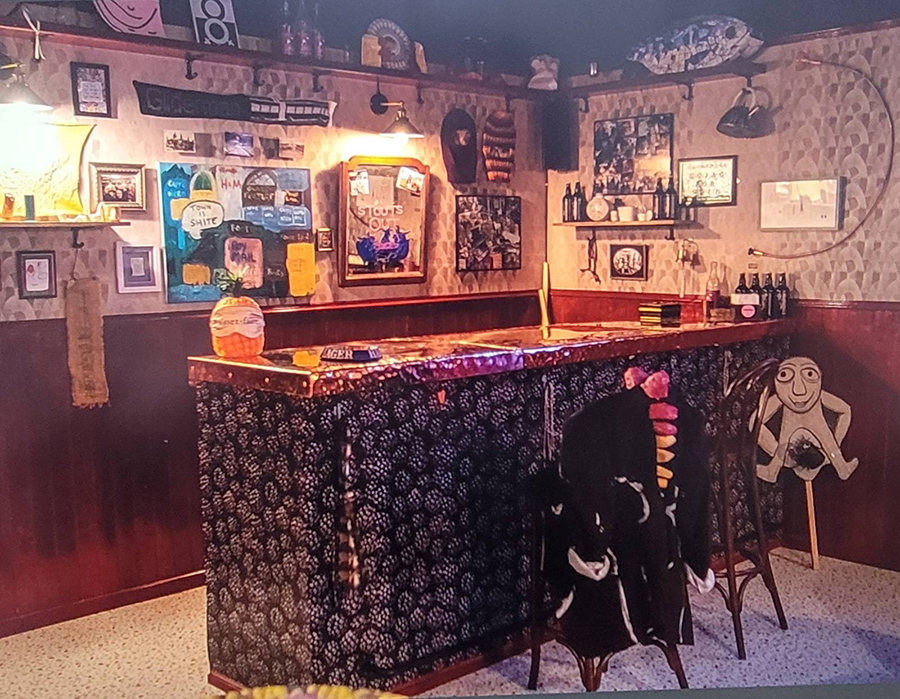
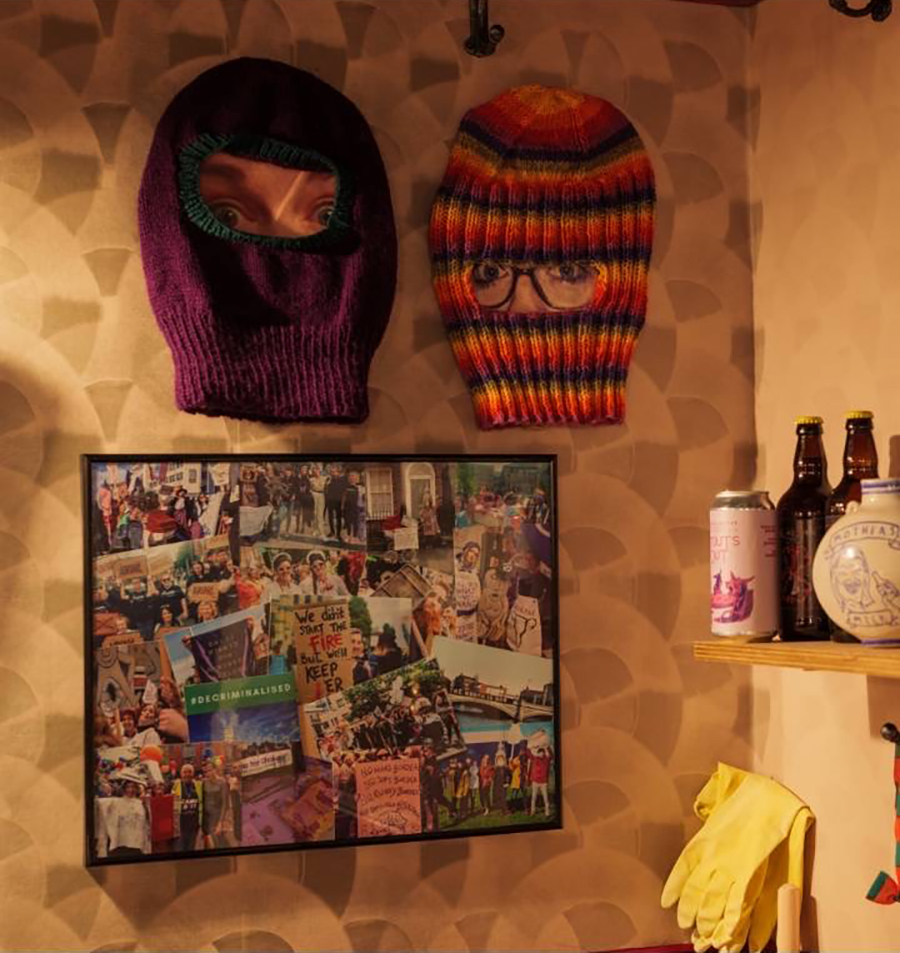
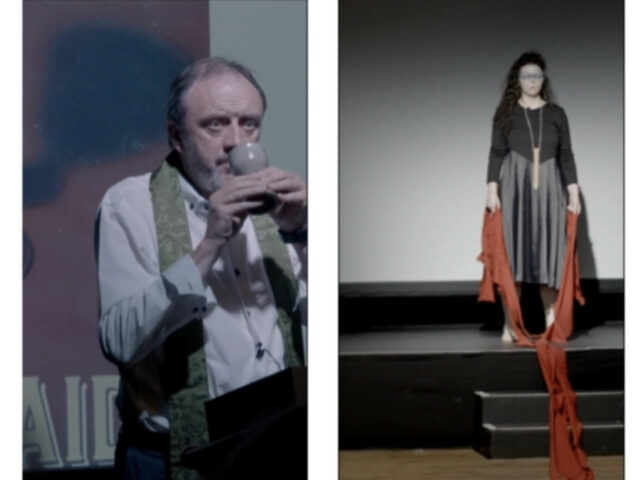
Despite the 2021 prize being little more than a fix with a predetermined outcome (wherein only “art collectives” could make submissions and victory was to be judged based on how “progressive” the entry was), this did not stop the State forking out to install the damp squid at taxpayer expense. “The acquisition to the Ulster Museum collection was supported by the Art Fund and the Department for Communities.” Despite being announced with pomp and adulation, I find it exceedingly unlikely that anyone who did the summary press release and cursory “interview” actually bothered to attend the display themselves. One publication described the piece as an “immersive installation that invites audiences to share alternative history in a síbín (…) It includes over 250 objects, artworks and furnishings that promote discussions around cultural identity and rights. Each has been selected to create a unique experience that playfully merges protest, performance and ancient mythology.”
The only mythological aspect to the display is the attempt by the mid-wit artists involved trying to generate for themselves a mythology and to frame history to their benefit – between the Béarlachas butchered name, and the many odious references to abortion, one would doubt any of those involved have any idea of Irish mythology. They are instead taking Irish mythology and bastardising it for their own social and political ends.
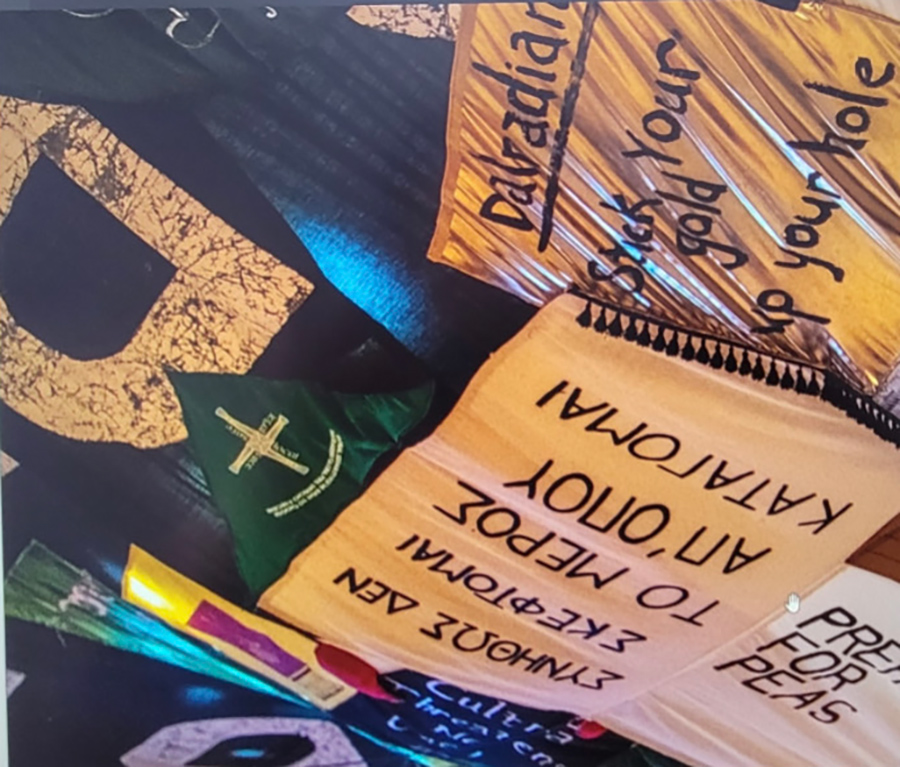
The display contains more abortion references than can be recounted in one article but the most egregious, in my view, are the use of the “Sheela-na-gig” in cartoonish format (which the Ulster Museum cropped from what they included on the internet – but which is on display in the museum) and the introduction of the St. Brigid’s Cross with the terms “free, safe, legal, local” on each leg. Childish and odious slogans “town is shite” and “stick your gold up your hole” are what one would presume are meant to be described as “playful” but which are symbolic of nothing more than the simple-minded nature of those who designed the corrupted síbín – never mind the hardly avant-garde use of expletives.
The use of the Sheela-na-gig is particularly galling as the display is apparently open to children and, from what a cursory glance on social media would tell you, kids under 18 have seen the display in all its rancid nature.
The Ulster Museum doesn’t seem to have included the Sheela-na-gig from their online coverage of the display. The sanitised coverage mutes a possible public reaction to a controversial and sometimes downright disgusting mockery of art.
The Ulster Museum stewardship has run full-tilt to get on the “decolonisation” bandwagon and previously removed a “tapa cloth figure from the Easter Islands in the Inclusive Global Histories exhibition” after “concerns from the Polynesian community” were raised. One would be forced to ask exactly how many Polynesians visited the Museum and took umbrage with the display? I would hazard a guess that the number would be exactly zero.
It is no surprise that the Museum would on the one hand announce in the wake of that manufactured controversy that “the museum is both a safe and a shared space, where everyone can visit, take part in debate and discussion, and not feel like we are presenting history / heritage etc in an offensive or biased way” and on the other hand, subsequently launch a display accessible to children which includes both cartoonish versions of women opening their vulvae and include the desecration of symbols of Irish history.
One would be forced to ask why the Ulster Museum would on the one hand drive itself into a panic over the Polynesians, then gladly spit in the face of appreciators of art, Catholics, and Irish people in general.
This display, like a great deal of Irish “art” nowadays, is nothing more than the manifestation of a pathology that is anti-Irish, anti-national, and anti-Catholic. It is nothing but a shallow attempt at stamping onto the next batch of history books that they were the “Good Guys”.
They intend totally on inverting reality, in manufacturing history.
Aaron Kavanagh